

The Insurance Gap Rental Fleets Can’t Afford to Ignore
Liability and risk don’t end when a vehicle comes off rent. Learn what fleets should consider when vehicles are sitting idle between rentals.
What Happens to Insurance When a Vehicle Comes Off Rent?
For rental and mobility fleets, insurance is usually top of mind while a vehicle is actively being used by a customer. But liability and risk don’t disappear once the rental ends.
Vehicles may sit idle for hours or days between trips. During that time, they can still be moved, cleaned, serviced, transported, stored, or driven by employees. Even when a vehicle isn’t generating revenue, it can still create exposure for the fleet.
That’s where off-rent insurance comes in.
Off Rent Doesn’t Mean Risk-Free
It’s easy to think of an off-rent vehicle as inactive, but in reality, there can be a lot happening between rentals.
A vehicle might need to be repositioned to another location, driven to a repair facility, taken through a car wash, fueled, inspected, or moved by an employee. It could also simply be sitting in a lot waiting for its next customer.
Any of those situations can create risk.
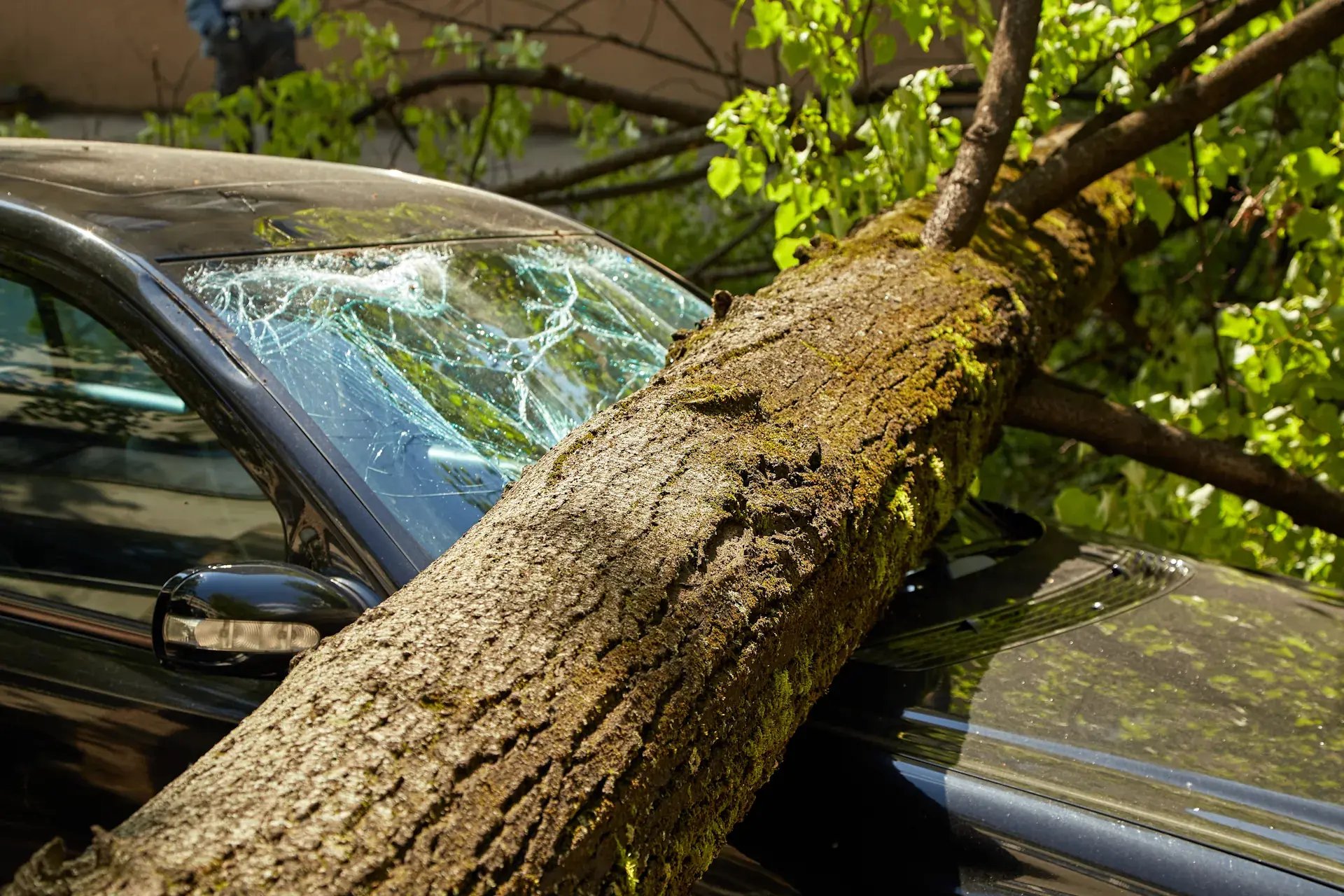
A parked vehicle can be stolen, vandalized, damaged by weather, or hit by another driver. A vehicle being repositioned or serviced can still be involved in an accident. And depending on who is driving and why, the liability surrounding that vehicle may look very different from when it was actively rented to a customer.
The important point is simple: the rental may have ended, but the fleet still owns and manages the vehicle.
On-Rent and Off-Rent Coverage Can Work Differently
Coverage can change depending on whether a vehicle is actively rented or sitting between trips. During a rental, insurance may be tied to the renter, the agreement, or a program built for active use.
Once the rental ends, the vehicle may shift back to the fleet’s own insurance program. Without clear status tracking, fleets can face billing issues, coverage confusion, or claim complications.

There’s More Happening Between Rentals Than You Think
The period between rentals can include a surprising amount of activity.
A vehicle may return from one customer and immediately need to be inspected for damage. It may then be cleaned, moved to another parking area, sent for maintenance, or transferred to another rental location before going back into service.
Each of those steps happens outside an active rental agreement.
For traditional rental businesses, that can mean managing dozens or hundreds of vehicles changing status every day. For carshare and other mobility businesses, those transitions can happen even more frequently.
This makes accurate vehicle status an important part of both operations and insurance administration.
Knowing whether a vehicle is actively rented, available, being serviced, or otherwise off rent gives fleet operators a clearer picture of where their exposure actually sits.
Off-Rent Insurance Is Part of the Bigger Risk Picture
Off-rent insurance isn’t just about protecting vehicles sitting in a parking lot.
It’s part of a broader approach to managing risk across the entire lifecycle of a rental vehicle.
A fleet needs visibility into what happens when a customer picks up a vehicle, what happens while it’s being rented, and what happens after it comes back. Each stage introduces different operational and insurance considerations.
The more accurately a business can track those transitions, the easier it becomes to manage coverage, identify potential gaps, and understand the true cost of operating the fleet.
Protecting the Time Between Trips
The time between rentals may not generate revenue, but it still matters.
Vehicles remain valuable assets, and fleets remain responsible for managing them even when there isn’t a customer behind the wheel.
Understanding how insurance works during off-rent periods—and having a reliable way to track when vehicles move between on-rent and off-rent status—can help fleet operators reduce uncertainty, improve insurance accuracy, and better understand their risk.
At TeqMobility, we help connect vehicle, rental, and insurance data so mobility businesses can get a clearer picture of what’s happening across their fleets.